

Online Poker UX Differences Between Mobile and PC in 2026

As the online poker universe has seen tremendous change over the last decade, the major contributing factor to this has been the advent of mobile technology. While earlier the game could be played only on computer systems, today the sheer volume of players is eager to take the ease of playing from their phones. As technology looks to arrive in 2026, online poker sites are no longer just computer desktop products with a mobile application, but a fully-featured, cross-platform product.
This has created the need for two different user experiences, each designed according to the capabilities of its respective platform. While the rules of the game are the same, the way you interact with the game, the available game options, and the experience of the game itself can be vastly different when playing on the go versus sitting down at a desk. This guide will look to define the main differences in user experience for online poker played on a mobile platform versus a PC platform.
The PC Experience
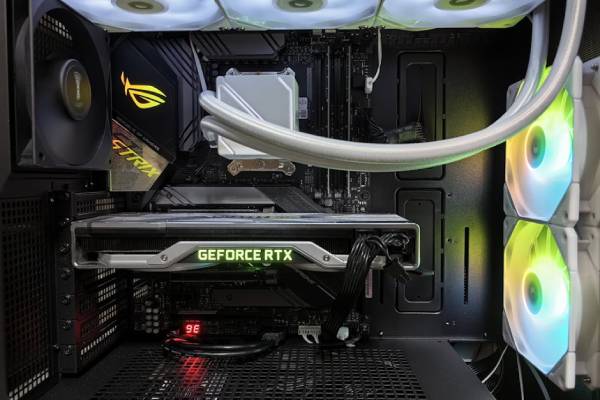
The platform of choice for most serious and professional poker players is still the personal computer, and for good reasons too. The entire experience of a personal computer is characterized by power, flexibility, and the ability to allow for long and continuous use. The biggest difference is obviously the size of the screen as a large monitor can offer a more comprehensive view.
Secondly, on the PC platform, there is comfort in multi-tabling, meaning that an avid player is able to play on multiple tables. This is because the software allows for the tiling or stacking of multiple tables in an organized manner. This is an added advantage to avid players who would like to play to the maximum. Additionally, the use of the mouse to navigate the interface demonstrates an aspect of sharpness and quickness, which is essential in the game, considering that making a single incorrect click may prove to be costly. Thirdly, the PC-based platform allows an avid player to utilize third-party software to acquire important information related to an opponent’s playing style via the use of what is referred to as the "Heads-Up Displays" (HUDs).
The Mobile Experience
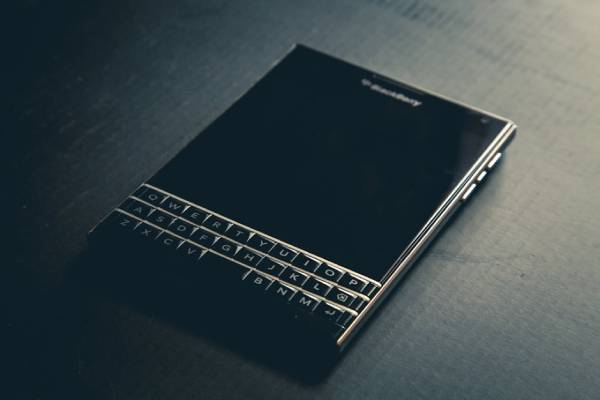
The mobile poker experience is centered around a whole different set of priorities. In this sense, convenience, accessibility, and offering a good experience for short and casual sessions are the most important characteristics. Obviously, the greatest strength of mobile poker is the ability to play anywhere. If it's during your lunch break, while waiting for a train, or simply sitting on your couch, you can find yourself playing within a matter of seconds.
To get the game working, it has taken some very smart UX design to make this work on a small, touchscreen device. The best poker mobile apps, such as that offered by BetMGM poker, boast a clean and streamlined interface with big, easy-to-hit buttons and the design is simplified, showing the most important information and avoiding clutter, so it's easy to follow the action. Sliders intuitively handle actions such as betting, while pre-set betting amounts make it simple to play with one hand.
UX Trade-Offs
In short, different philosophies of PC and mobile games result in certain trade-offs as follows. The first and foremost is multitabling. Assuredly, you can play on multiple tables on your mobile screen, yet it is much more unpleasant than on a PC screen. Oftentimes, swiping between the tables on your screen proves to be cumbersome; in such conditions, you may end up missing important actions on your table. Hence, generally, mobile users stick to one table only.
Another difference relates to the information available, and this is because the mobile client is a simplified version, meaning that some of the advanced capabilities of the PC client may be hidden away, or they may be unavailable altogether. It is easier to have access to detailed hand histories or make detailed observations of other players on a PC. The mobile client is simple and faster to use.
How the Player Pool is Affected
The emergence of mobile usage is a factor that has highly influenced the overall player base for the game. This is mainly because the convenience of mobile applications has managed to attract a considerable number of recreational players into the game. These are players who may not have enough time to sit and play the game on a desktop computer, among other devices.
This has, of course, been great for the health of the game as there has been a constant influx of new players, which keeps the games feeling really fresh and fun. For the higher-level players, this also means the mobile platform is often much softer and even more profitable. The pool of players on a Friday night for a mobile platform is likely much different from the pool of players for a Tuesday afternoon on the desktop client, which often has a more hard-core player base.
The Choice is Yours
In 2026, the online poker experience is no longer a one-size-fits-all environment. The choice to use a PC or a mobile device is a choice between two different user experiences, each of which offers a variety of great features. The PC experience is a powerful environment rich in information and is perfect for the serious player who wishes to multi-table and get a deep feel for the game. The mobile experience delivers unmatched convenience and is implemented with a streamlined feel, ideal for more casual players. A good online poker experience understands these differences and has put effort into creating a great experience on each, to ensure that all players get to enjoy the game to the best of their liking.
B&M Poker
 Find Poker RoomsB&M TutorialB&M EtiquettePoker Cheaters
Poker Info
Famous PlayersPoker EventsPoker TaxesPoker DVDsPoker QuotesPoker PropsPoker InterviewsPoker PollsPoker Movies
Movie Poker SceneRounders ReviewRounders SequelRounders QuotesLogin
Casino & Poker





Play Blackjack
